

Canada is made for road trips, and an RV is one of the easiest ways for first time travellers to explore it. Below are beginner friendly routes that range from quick long weekends to big multi province adventures, plus practical planning tips to help you feel prepared.
- Short routes for first time RV travellers
- 1) Cabot Trail, Nova Scotia
- 2) Icefields Parkway, Alberta
- 3) Sea to Sky Highway, British Columbia
- 4) Vancouver Island west coast, British Columbia
- Long routes for bigger adventures
- 5) Montreal to Gaspé, Quebec
- 6) Cowboy Trail and southern Alberta loop
- 7) Trans Canada Highway, choose your segment
- Planning tips for a first time RV trip in Canada
- 1) Choose an RV that matches your route
- 3) Keep driving days conservative
- 4) Plan fuel and services, especially in remote stretches
- 5) Know the basics for parks and wildlife
- 6) Budget without killing the fun
- Final thoughts
Short routes for first time RV travellers
1) Cabot Trail, Nova Scotia
Start and end: Baddeck area, loop around Cape Breton Island
Best known for: coastal cliffs, highland viewpoints, colourful villages, fall foliage
The Cabot Trail is a top pick when you want scenery that feels world class without a huge time commitment. The loop is fully paved and packed with viewpoints, short walks, and photo stops overlooking the Atlantic. Expect curves and a few steeper grades, so take it slow and use lower gears on descents. In summer you get long daylight, and in autumn the colours can be the main event.
Why it works for beginners: you can do it in three to five days, services are easy to find around the island, and the driving stays interesting without being overwhelming.
2) Icefields Parkway, Alberta
Start and end: Lake Louise area to Jasper
Best known for: glaciers, turquoise lakes, waterfalls, classic Rocky Mountain views
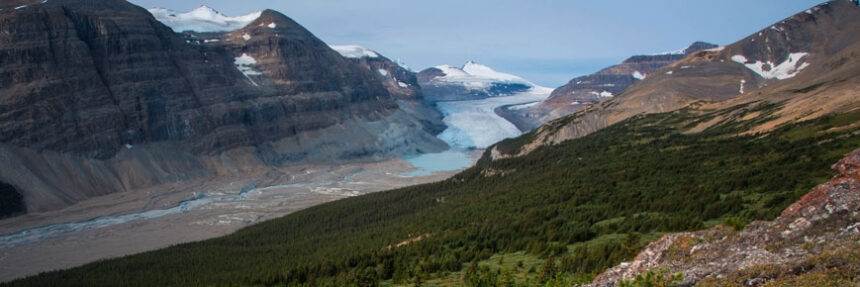
If your dream route includes big peaks and blue water, this is the one. The drive is straightforward because it is one main road between two major park hubs, but it is remote in places and you will want to stop often. Wildlife sightings are common, and the viewpoints are frequent, so build in extra time even if the distance looks short on a map.
Why it works for beginners: navigation is simple, road quality is generally excellent, and the scenery rewards slow driving with many safe pull offs.
3) Sea to Sky Highway, British Columbia

Start and end: Vancouver to Whistler
Best known for: ocean fjord views, waterfalls, an easy mountain escape
This is one of the easiest first RV routes in Canada. It is short, well maintained, and loaded with stops that feel rewarding even if you only have one or two nights. You can combine viewpoints over Howe Sound with a short hike, a gondola ride, or a relaxed day in Whistler.
Why it works for beginners: you get high impact scenery with minimal logistics, and you are never far from fuel, food, or help.
4) Vancouver Island west coast, British Columbia
Start and end: Victoria to Tofino, one way or return
Best known for: coastal rainforest, beaches, surf culture, storm watching season
This route shows a different Canada, with temperate rainforest, rugged beaches, and laid back coastal towns. The road to Tofino has curves and some narrow sections, so it rewards patient driving. The payoff is variety: city time in Victoria, giant trees inland, and ocean sunsets on the west coast.
Why it works for beginners: it is easy to split into short driving days, and you can balance nature stops with town comforts.
Long routes for bigger adventures
5) Montreal to Gaspé, Quebec
Start and end: Montreal to Gaspé or Percé, one way or out and back
Best known for: St Lawrence River views, French Canadian culture, seafood towns, coastal cliffs
This is a strong longer route for first timers because you get regular towns and services, but the trip still feels scenic and adventurous once you reach the peninsula. The drive along the river is relaxed, and you can blend city highlights with coastal nature. If you have about a week, focus on a few bases and take day trips rather than moving every night.
What makes it beginner friendly: steady road conditions, frequent places to restock, and a natural pacing that suits a one week plan.
6) Cowboy Trail and southern Alberta loop
Start and end: Calgary loop through foothills, ranch country, Waterton area, and the badlands
Best known for: wide open views, ranch culture, prairie sunsets, dinosaur country near Drumheller
If you want a quieter alternative to the busiest park corridors, this loop is a smart choice. Roads are generally calm, the landscapes change quickly, and the driving days can be flexible. It can also feel more budget friendly because many highlights are scenic areas, small towns, and regional attractions.
What to watch for: prairie wind can be strong, so keep your speed steady and give yourself space when passing trucks.
7) Trans Canada Highway, choose your segment
Start and end: pick a segment that fits your time, such as Ontario to Manitoba or Alberta to British Columbia
Best known for: the classic cross Canada backbone that connects major highlights
Driving the full Trans Canada Highway is a major expedition, but first time RV travellers can still get the best parts by choosing a segment. Ontario to Manitoba offers forests, lakes, and a big sky transition into the Prairies. Alberta to British Columbia delivers mountain scenery and famous national park access. Atlantic segments lean into coastal towns and seafood culture. Pick one region, add a few detours, and keep the pace realistic.
What makes it beginner friendly: services are frequent, navigation is easy, and you can scale the route up or down based on comfort.
Planning tips for a first time RV trip in Canada
1) Choose an RV that matches your route
Bigger is not always easier. A mid size RV is often simpler to drive and park, especially in busy viewpoints and small towns. Focus on layout and storage, not just length. If you are renting, it helps to compare multiple RV options before you commit. Campstar is an RV broker that lets customers compare and book RV rentals from different suppliers in one place, so you can choose the right vehicle and target the lowest available price for your dates.
2) Travel in the easiest seasons
Late spring through early autumn is the simplest window. Summer has the best access but also the most demand. September can be a sweet spot with fewer crowds and stable weather. In the Rockies, plan for cold nights even in mid summer. On the coasts, pack waterproof layers.
3) Keep driving days conservative
A strong beginner target is about three to five hours of driving per day. This leaves time for stops, groceries, refuelling, and short hikes. For longer trips, add a rest day every five to seven days so you do not burn out.
4) Plan fuel and services, especially in remote stretches
On routes with longer gaps between towns, fill up earlier than you think you need to. Know your RV height and be cautious with drive throughs, older town centres, and any parking structures. A simple morning checklist helps prevent mistakes, such as leaving gear unsecured or forgetting to stow steps and hoses.
5) Know the basics for parks and wildlife
If your route includes national parks, check entry fees and any rules that affect access. In popular corridors, early mornings help with parking and crowd levels. Drive slower at dawn and dusk, watch for wildlife, and never stop in unsafe road positions for photos.
6) Budget without killing the fun
Your biggest costs are usually the RV, fuel, and overnight fees. Keep food costs down by cooking most meals and shopping in larger towns. Balance paid attractions with free highlights like viewpoints, beaches, easy walks, and local markets. Track spending every few days so you can adjust.
Final thoughts
Canada’s best RV routes come in all lengths, from iconic short drives like the Cabot Trail to longer journeys through Quebec, Alberta, and beyond. If you are new to RV travel, start with a route that has reliable services and manageable distances, then scale up once you feel comfortable. With a solid plan and a flexible mindset, your first Canadian RV trip can be the start of many more.
Last Updated on by Icy Canada Team


