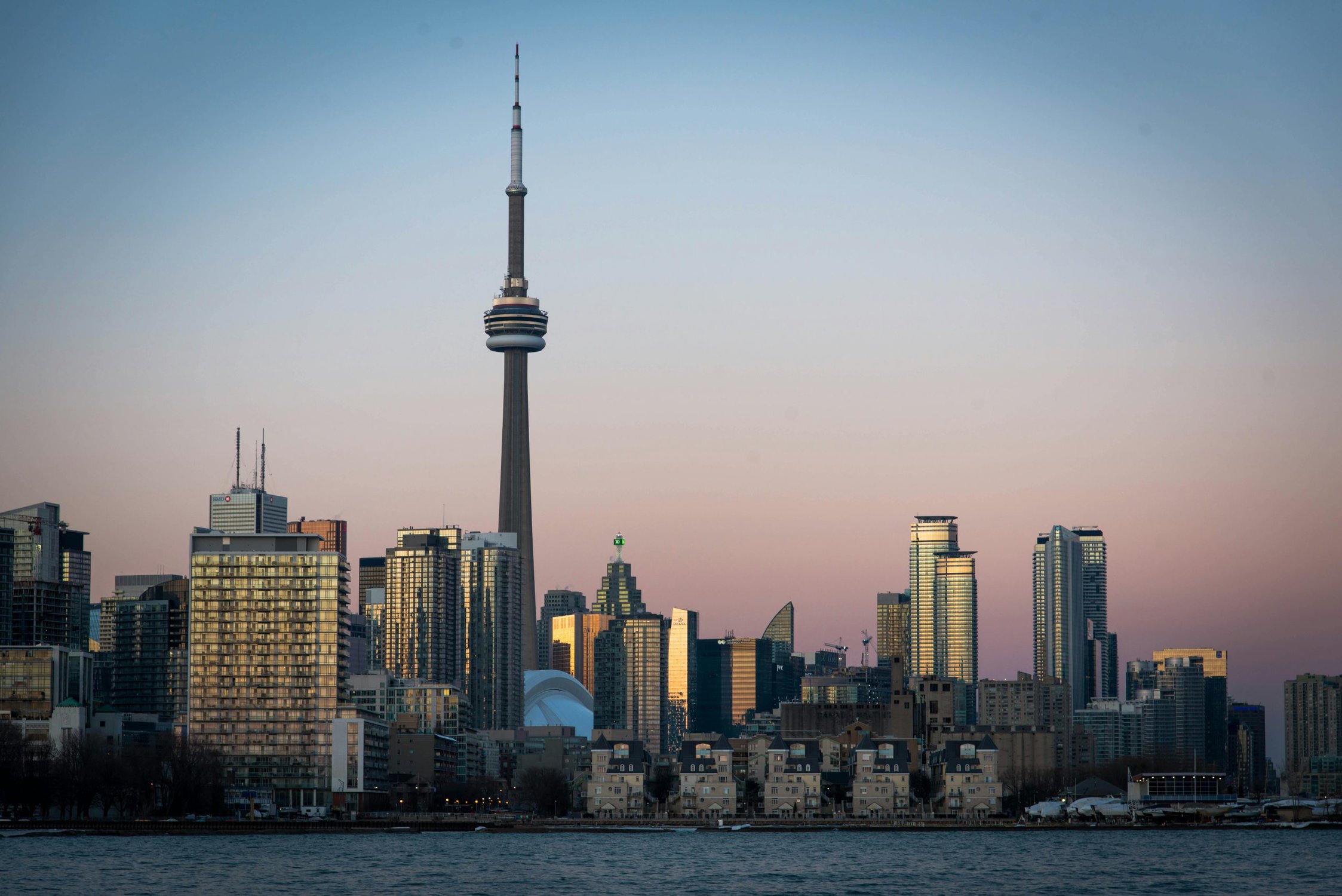
Toronto holds over 7 million people in its metropolitan area. Finding one person who wants the same things as you should be simple math. It is not. Singles here report exhaustion, frustration, and a growing sense that the odds are stacked against them despite the sheer volume of potential partners walking the same streets.
The complaints are consistent. Apps feel like a chore. First dates go nowhere. Money disappears faster than interest builds. People arrive in the city with ambitions that have nothing to do with settling down, and they leave before roots form. The romantic math never quite adds up.
A City Full of People Going Somewhere Else
Shan Boodram, a Toronto-raised relationship expert working with Bumble, describes the city as transient. People move here from other parts of Canada with goals that center on careers and business ventures. Love ranks lower on the priority list. This creates a dating pool where many participants treat relationships as secondary pursuits.
The transient quality affects how people invest in connections. Someone planning to relocate in 18 months for a job opportunity may not commit to building something lasting. Conversations that start promising can end abruptly when one person admits they are not staying.
What People in Toronto Are Actually Looking For
Some singles in the city want casual arrangements. Others search for long-term commitment. A portion actively seek sugar daddies in Toronto or similar connections that fall outside conventional dating norms. The variety of preferences makes it harder to find someone whose intentions match your own.
Toronto’s dating pool is large, but alignment is rare. Two people might connect on an app and discover they want completely different things. This mismatch adds friction to an already frustrating process for those hoping to settle down.
The Money Problem
Dating costs money. A BMO report from February 2025 found that Canadians spend an average of $173 per date when factoring in transportation, grooming, food, and activities. Partnered Canadians reported going on 10 to 21 dates before committing to a relationship. That means someone could spend over $3,600 before making anything official.
The cost of living in Toronto makes this worse. Wellesley Institute research from February 2024 showed that a single person needs between $61,654 and $83,680 annually to live a healthy life in the city. Average rent for an unfurnished one-bedroom sits at $2,126 per month according to liv.rent data from April 2025. After covering housing, food, and basic expenses, discretionary income for dating shrinks considerably.
The BMO survey revealed that 56% of Canadians say rising costs affect their dating behavior. People go on fewer dates. They choose cheaper activities. Some skip dating entirely. Among single Canadians, 55% reported going on zero dates in the past year. Nearly a third have cancelled a date specifically to save money.
App Fatigue Is Real
Tinder remains the most popular dating app in Canada according to Statista’s September 2024 survey data. Around 36% of Canadians have used or currently use online dating platforms. User numbers are expected to reach 4.3 million by 2029.
The numbers suggest heavy adoption. They do not capture how people feel about the process. Toronto Today reported that most singles in the city express exhaustion with dating apps. The repetitive swiping, the conversations that stall, and the dates that never materialize wear people down.
Alternative events have emerged in response. Thursday Dating, organized by Felisha Liu and Ben Davies, sold out their first two gatherings in 2025 with a combined 460 attendees. Their pitch is straightforward: meet 250 singles in one night instead of scrolling for weeks to secure a single date. The appeal speaks to a broader dissatisfaction with app-based dating.
The Numbers Game
Statistics Canada data cited by CBC shows that close to 30% of Canadian households now contain a single person. This is the highest percentage in the country’s history. Toronto has the largest population of single women in Canada, with the 25 to 29 and 30 to 34 age groups forming the two biggest demographics in the urban center.
The singles are there. The opportunities for connection exist. Yet the conversion rate from match to meaningful relationship remains low for many. A 2025 BMO finding showed that 41% of single Canadians felt a first date was a waste of both time and money.
Professional Help
Some singles have turned to matchmakers and dating coaches. Shannon Tebb, who operates as Shanny in the City, started her dating consulting business in Toronto in 2010. She claims an 82% success rate, with most matches progressing well past a third date. Carmelia Ray has worked in matchmaking since 1992 and has helped over 7,000 clients during her career.
These services offer an alternative to apps but come with their own costs. The BMO survey found that 60% of singles are unwilling to spend money on dating apps or matchmaking services. The willingness to invest financially in finding a partner has clear limits.
What 2025 Looks Like
Bumble’s research suggests that single people have not abandoned hope. Around 72% of people worldwide are actively looking for a long-term partner this year. Standards have shifted. Two out of three women say they are being more honest with themselves about what they want and are less willing to compromise.
External concerns affect dating decisions. Bumble found that 95% of singles say worries about financial stability, employment, housing, and climate change influence how and who they choose to date. The anxiety extends beyond personal chemistry into practical considerations about shared futures.
The Honest Answer
Dating in Toronto is hard for specific, identifiable reasons. The transient population means fewer people are building toward permanent roots. Economic pressure limits how often people can afford to go out. App fatigue has made the primary method of meeting people feel like a tedious obligation. High living costs drain resources that might otherwise fund a social life.
The difficulty is not absolute. People still meet partners. Relationships still form. Matchmakers report success. Events draw crowds. The problem is that the path from single to coupled requires more effort, money, and persistence than many people anticipated.
Toronto offers a large pool of potential partners from varied backgrounds. That quantity does not translate automatically into quality matches. Finding someone whose intentions, timeline, and values align with yours takes time in any city. Here, the specific combination of economics, culture, and transience adds extra friction to the search.
Last Updated on by Icy Canada Team