Life in the city rarely slows down, yet something interesting is happening on early mornings, late evenings, and lunch breaks across urban neighborhoods. People who once treated exercise as a distant goal are now stepping into hockey rinks, martial arts studios, community boxing gyms, and recreational leagues with a kind of determined curiosity. Some carry laptop bags, others push scooters or bikes, but they all share a growing desire to balance daily pressure with physical expression.
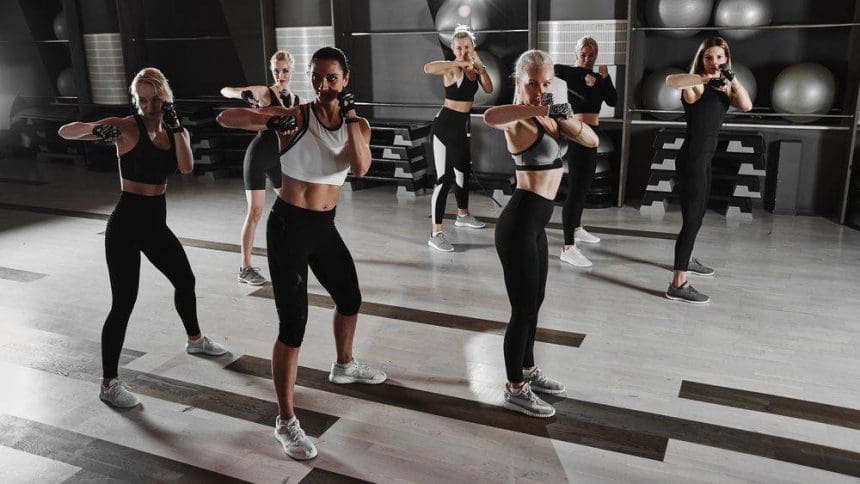
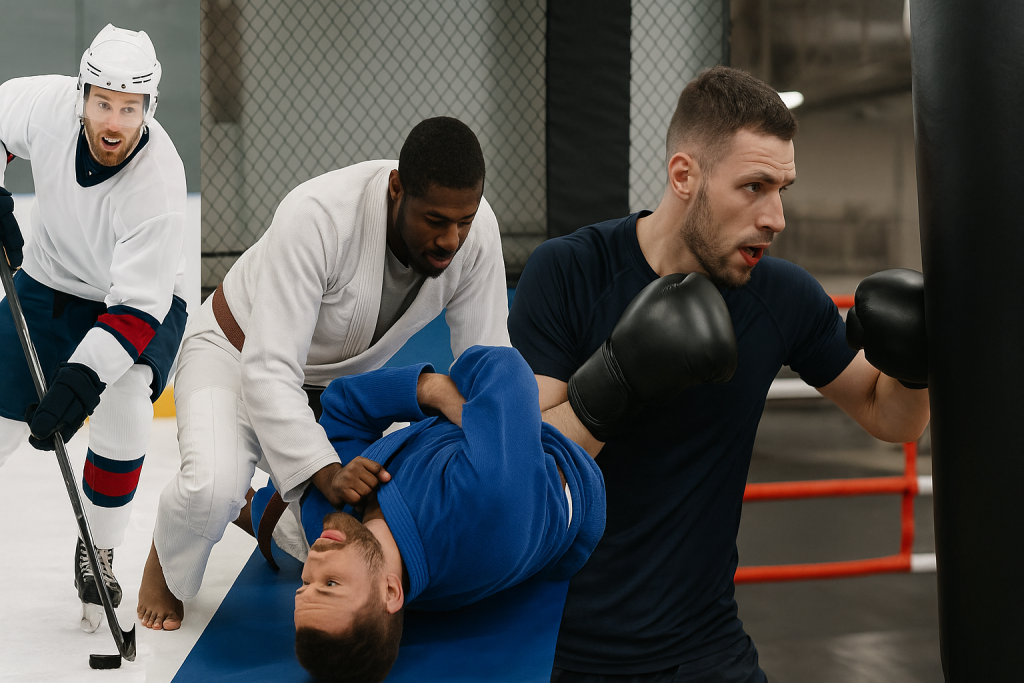
Public parks, sports complexes, and even alley-sized fitness studios are filling with people who want their routines to feel more alive. Traditional fitness still exists, but the pull toward contact sports and skill-based activities is unmistakable. Hockey teams filled with accountants, designers, and IT specialists book evening ice time. Brazilian jiu-jitsu gyms open morning classes to accommodate office workers who want a burst of focus before starting their emails. Boxing clubs report record sign-ups because the training brings both structure and a sense of personal strength.
Somewhere in the first half of this movement sits a practical detail that often goes unnoticed. As sports become more intense, the value of a custom mouth guard rises. Coaches talk about it openly because safety is finally treated as part of the sport, not an inconvenience. Many newcomers arrive with excitement and a bit of nervous energy, eager to learn how to fall, punch, roll, or skate without fear. Having the right protection allows them to focus on the craft, not on what could go wrong.
Urban sports are growing not only in participation numbers but also in identity. They help people rediscover who they are outside of their job titles. A person spending eight hours writing documents might find balance in the tactical patterns of jiu-jitsu. A financial analyst who stares at spreadsheets all day may pick up stickhandling drills as a way to decompress. A marketing specialist might find clarity in the rhythmic combinations of a boxing class. These activities create a kind of mental reset that pairs physical challenge with emotional release.
Cities encourage this shift because they offer options within a short distance. You can ride the subway to a climbing wall, walk to a martial arts gym, book a place in a fencing class two stops away, or rent skates and join a community hockey hour. The convenience removes excuses and turns exercise into something flexible. Groups made up of strangers quickly become teams, and teams turn into small communities that celebrate progress, not perfection.
The emotional appeal is also tied to structure. Martial arts provide a clear progression of skills, sparring etiquette, and respectful discipline. Hockey builds teamwork through fast decisions and constant movement. Boxing teaches the balance between aggression and control. People who felt stuck behind desks discover a new part of themselves when they train in these environments. Small achievements — a cleaner punch, a better takedown defense, a steadier stride on the ice — create moments of genuine motivation.
The middle sections of this trend reveal another interesting layer. Some athletes, especially older beginners who join recreational clubs, pay attention to things that younger participants dismiss. Joint stability, recovery routines, and oral protection suddenly become essential topics. Even discussions about proper attachment or stabilization of dental appliances appear more often. For a certain group, the question of comfortable training includes the reliability of dentures calgary, which many describe as a surprisingly important factor in maintaining confidence during impact-based sports. It is not a direct focus of the activity, but it becomes part of personal readiness.
City gyms and clubs also support this shift by making their spaces more inviting for newcomers. Many coaches speak openly about anxiety, burnout, and stress management. They design beginner courses that avoid intimidation and emphasize skill-building at a steady pace. The goal is not to produce professional fighters or elite hockey players, but to offer a healthy environment where people can feel grounded.
As interest grows, trends start to take shape. Evening classes fill up quickly because they match office schedules. Weekend tournaments draw attention not just from participants but also from spectators who appreciate amateur passion. Volunteer-based leagues give city districts a chance to create small competitions that bring neighbors together. Boxing gyms adopt hybrid training styles that blend technical learning with rhythmic conditioning. Jiu-jitsu studios add open-mat hours for people who enjoy experimentation. Hockey rinks open community slots for adults who want the thrill without the pressure.
Underlying all of this is a search for balance. Urban life pushes people to move fast, think fast, and respond fast. Sports offer the opposite — a structured rhythm that demands presence. When you are skating toward the puck, you are not thinking about emails. When you are learning a guard pass, you are not thinking about deadlines. When your gloves touch in a training round, the noise of the day fades for a moment.
This shift will likely continue as more employers accept the idea that physical activity helps mental resilience. More community centers are expanding schedules for adult classes, and more people are willing to try things they once found intimidating. The modern amateur athlete is not chasing medals but searching for energy, focus, confidence, and calm.
Urban sports culture is becoming one of the most distinctive features of contemporary city life. It connects strangers, supports mental health, refreshes daily routines, and reminds people that movement is a natural part of being human. Office workers, freelancers, entrepreneurs, and students are discovering that strength does not need perfection and progress does not need pressure. All it takes is a place to train, a willingness to try, and the simple joy of learning something new.
If cities continue supporting diverse sports options, more people will feel invited to step into the rink, the studio, the gym, or the mat room. And each new participant brings one more story of how a busy life can still make space for personal growth, discipline, and a spark of athletic spirit.
Last Updated on by Icy Canada Team