

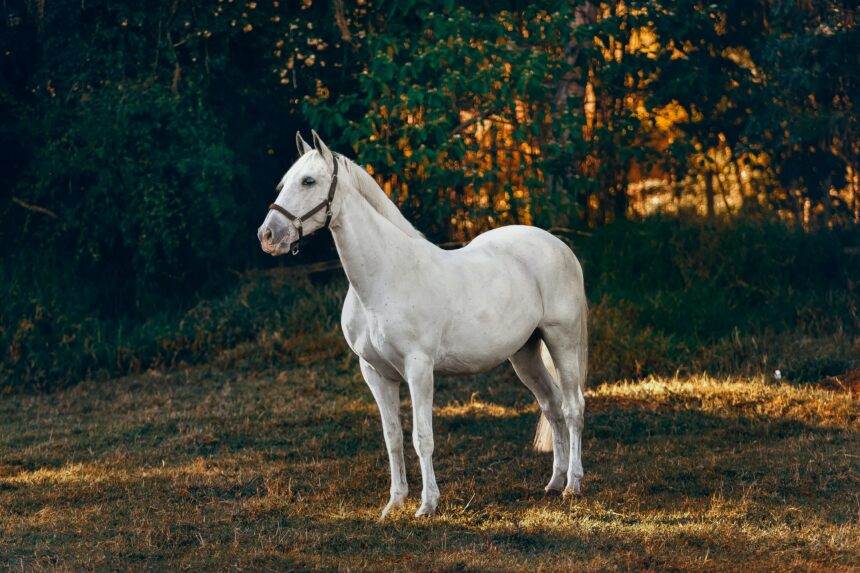
Horseback riding in the Dominican Republic offers a slower, more personal way to experience the country beyond its beaches. Instead of pursuing speed or extreme thrills, riders can move through tropical surroundings at an unhurried pace, noticing the shade of the trees, the rhythm of the horse and the quieter details of the countryside.
Travellers exploring the Cap Cana area can find examples of horseback riding in Punta Cana within nature-focused parks and ranch environments. These experiences illustrate how a morning with horses can become part of a broader outdoor day, combining animal interaction, scenic trails and time away from busy resort areas without turning the outing into a demanding expedition.
For Canadian families planning a winter escape, this gentler style of adventure can add balance to an itinerary filled with beaches, swimming and higher-energy excursions. It also works well for multi-generational groups, since the focus is usually on connection, scenery and shared discovery rather than athletic performance.
Why horseback riding remains a timeless activity
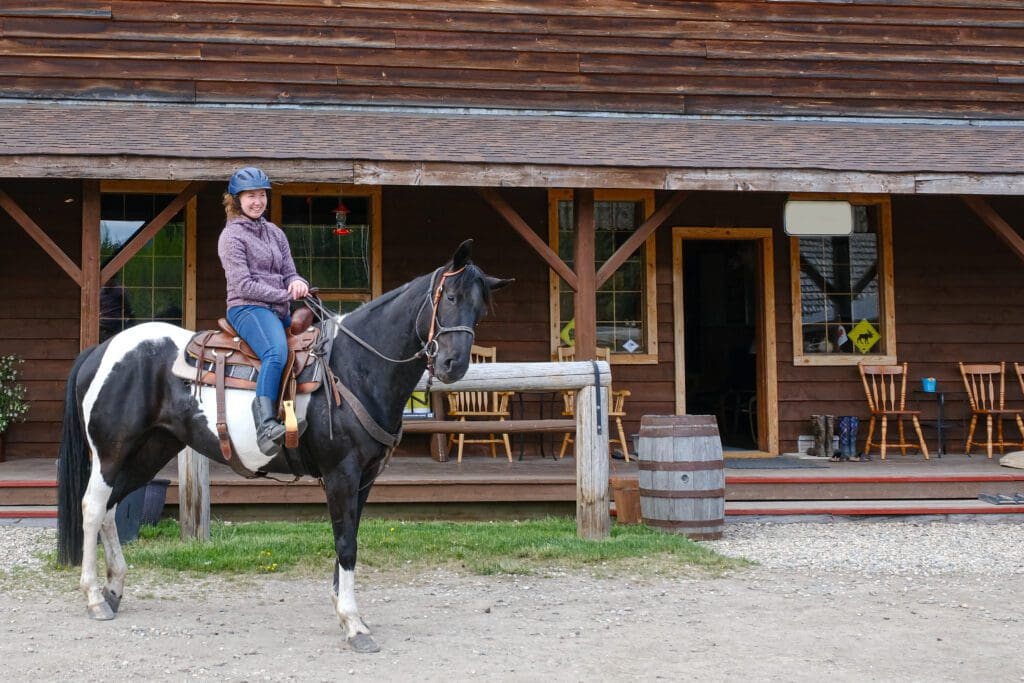
Horseback riding has long appealed to travellers because it makes nature feel accessible. A walking trail requires visitors to concentrate on the path beneath their feet, while a motorized excursion can move too quickly to appreciate subtle changes in the landscape. Riding offers a middle ground: enough movement to cover new terrain, but at a pace that leaves room to observe it.
Nature without extreme adrenaline
A guided trail ride can still feel adventurous, particularly for someone getting into a saddle for the first time. However, the excitement comes from learning to move with the horse and seeing the countryside from a different height, not from speed.
The experience may appeal to travellers who want:
- An outdoor activity without intense physical demands.
- A quieter alternative to buggies and zip lines.
- Time around animals in a natural setting.
- A scenic outing that several generations can share.
- Photographs that reflect the rural side of the destination.
For many visitors, the horse itself becomes the most memorable part of the day. Each animal has its own pace and temperament, turning a simple trail into an experience shaped by trust and attention.
What a Cap Cana ranch visit can include
A ranch visit generally begins before anyone reaches the trail. Guests may have time to meet the horses, learn their names and observe how handlers prepare them for the ride. This introduction helps first-time riders become comfortable and gives children a chance to ask questions about feeding, grooming and daily care.
A ranch experience in the Caribbean may also include contact with other farm animals, quiet observation areas and paths surrounded by tropical vegetation. At nature parks such as Scape Park, El Rancho introduces families to animals within a calm, managed environment, illustrating how ranch life can complement the region’s caves, cenotes and forest scenery.
From the stable to the trail
Before departure, guides typically explain how to sit, hold the reins and communicate basic directions. Horses are then matched to riders according to experience, confidence and physical requirements.
Once on the trail, the landscape may feature:
- Shaded paths beneath tropical trees.
- Open sections with views across the countryside.
- Rocky or gently uneven natural terrain.
- Native plants and opportunities to spot birds.
- Quiet stretches where the sound of hooves replaces traffic.
The objective is rarely to cover ground quickly. The pleasure comes from settling into the horse’s walking rhythm and noticing how the environment changes between sunlit clearings and cooler, shaded sections.
Who can enjoy a guided trail ride?
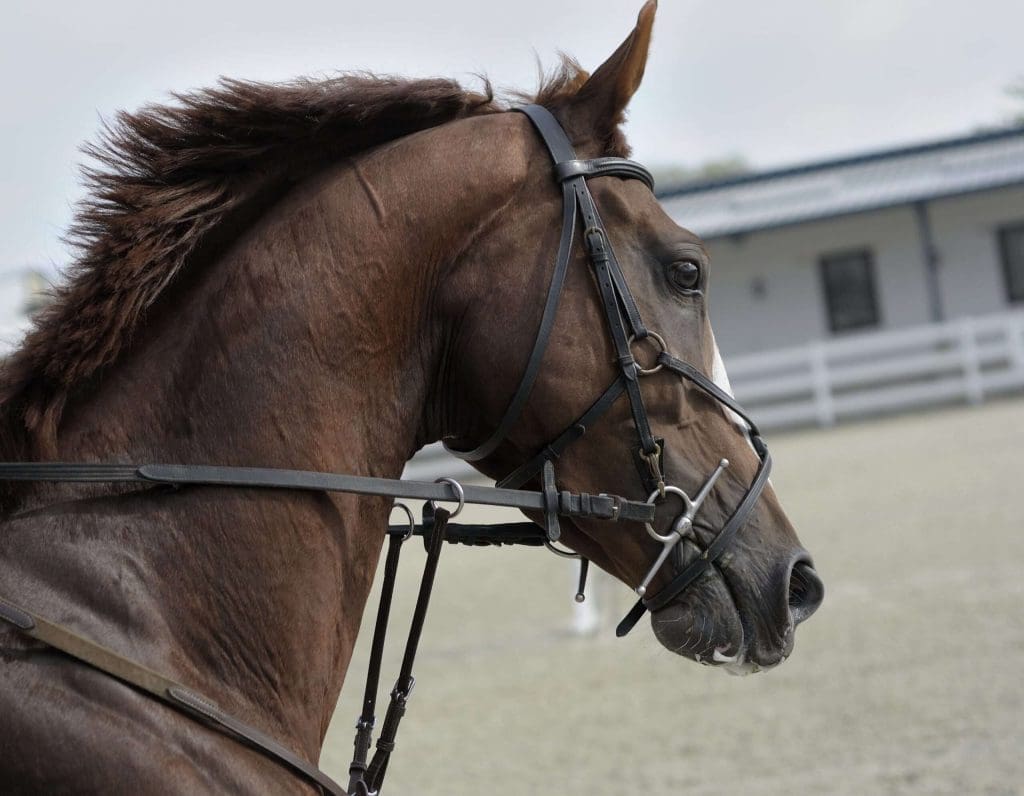
Horseback riding can suit a wider range of travellers than many adventure activities, although every operator establishes its own age, height, weight and health requirements. Guided outings are often designed with beginners in mind, and previous riding experience may not be necessary.
Families and first-time riders
Among the many family activities in Punta Cana, a ranch outing stands out because adults and children can participate in the same setting while engaging at their own comfort levels. Younger visitors may begin by meeting or observing the animals, while older children and adults take part in a guided ride when permitted.
The experience can be especially rewarding for:
- Families with school-aged children interested in animals.
- Parents seeking a structured but relaxed outdoor activity.
- Grandparents comfortable mounting and sitting on a horse.
- Couples who prefer scenery to high-speed adventure.
- First-time riders willing to follow a guide’s instructions.
Anyone with back, neck, balance or mobility concerns should review the activity requirements carefully. Pregnant travellers are generally advised to avoid horseback riding because even a calm trail involves natural movement and uneven ground.
Practical tips for comfort in the tropics
Warm weather changes the way travellers should prepare for a ranch visit. Even when trails are shaded, riders may spend significant time outdoors, so timing and clothing can shape the overall experience.
Choose a cooler part of the day
Morning rides are often the most comfortable option. Temperatures tend to feel milder, the sun is lower and both riders and horses may be fresher. Late-afternoon outings can also be pleasant, depending on operating schedules and seasonal daylight.
Midday rides may feel more demanding, particularly for visitors arriving from a Canadian winter. Building time into the schedule for water, shade and a gradual adjustment to the heat helps keep the outing enjoyable.
Dress for the saddle and trail
Clothing should protect the legs and feet without trapping too much heat. Riders should generally bring:
- Long, lightweight trousers to reduce friction against the saddle.
- Closed-toe shoes with a secure fit and small or flat heel.
- Breathable clothing suitable for warm weather.
- Sunscreen applied before the ride.
- A hat for time at the ranch, when not wearing a helmet.
- Water for before and after the activity.
- Insect repellent appropriate for tropical surroundings.
Loose sandals, short skirts and bulky bags are impractical around horses. Phones and cameras should remain secured, and photography should only take place when guides indicate that it is safe.
Adding a quiet nature experience to an active itinerary
Horseback riding works particularly well when paired with other things to do in nature Cap Cana. A family might begin with a morning trail ride, pause for lunch and then spend the afternoon swimming in a cenote, walking through a cultural area or observing local wildlife.
This variety is useful for multi-generational trips because not every day needs to centre on the same level of activity. A quieter ranch morning can follow a busy beach day or provide a restorative break between more energetic excursions.
The experience also introduces a different visual language to a Punta Cana holiday. Instead of another photograph of a lounge chair or swimming pool, families return with images of forest paths, horses and shared moments in the countryside.
Seeing the countryside one hoofbeat at a time
Horseback riding in the Dominican Republic shows that memorable outdoor experiences do not need to be fast or extreme. Meeting the horses, learning the basics of riding and following a shaded trail allow travellers to connect with the landscape through patience and observation.
For families and multi-generational groups, that slower pace can be the activity’s greatest strength. It creates space for conversation, curiosity and a shared appreciation of the Dominican countryside—one calm hoofbeat at a time.
Last Updated on by Icy Canada Team


